Pest control services in Jackson provide definitive identification, eradication, and exclusion protocols designed for central Mississippi's severe humid-subtropical pest pressures. Properties throughout Hinds County face aggressive subterranean termite swarms, high-density German cockroach breeding cycles, and seasonal roof rat intrusions that easily bypass standard over-the-counter retail chemicals.
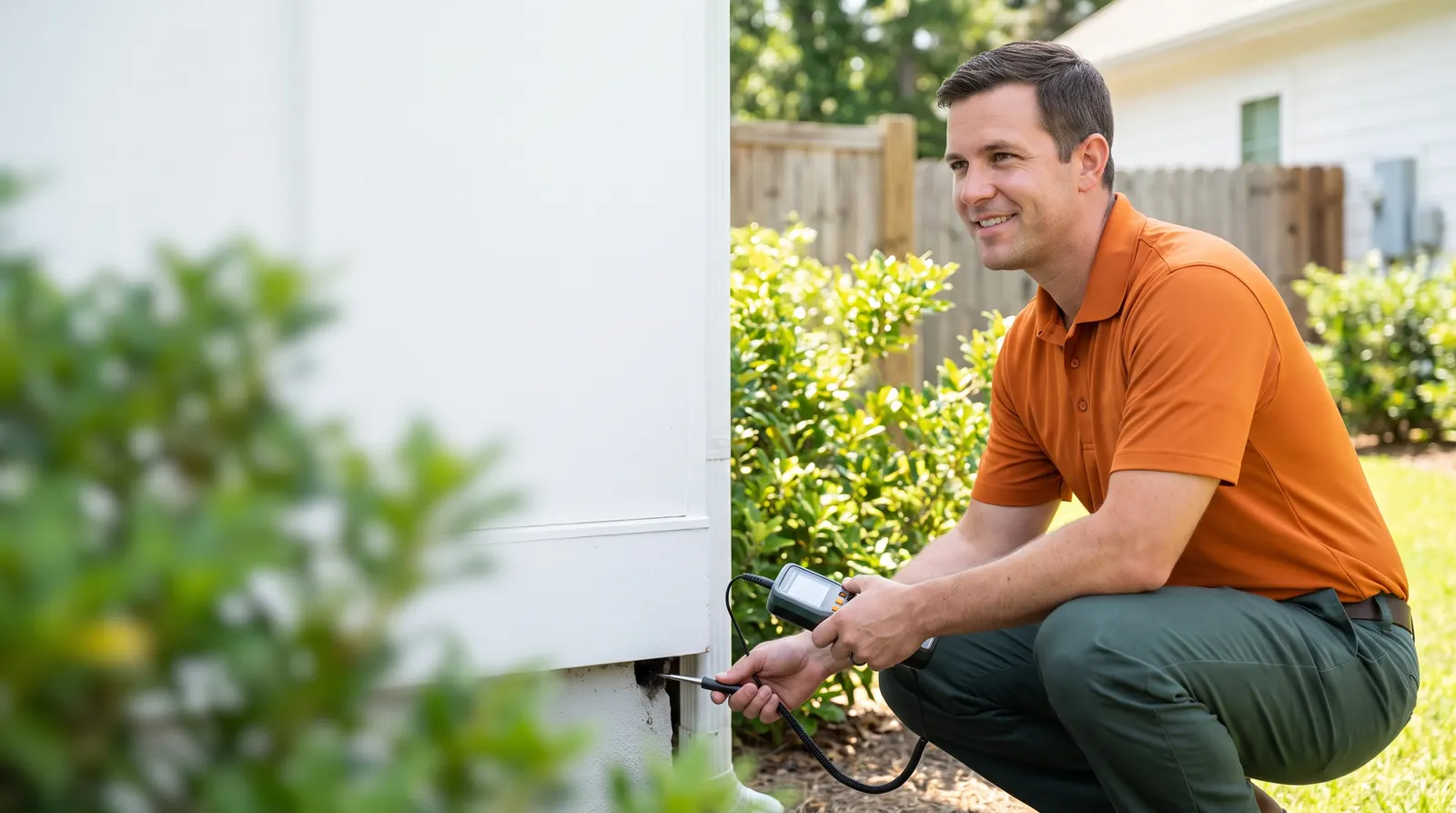
Pest control services company in Jackson is an environmental remediation provider that systematically eliminates structural and public-health arthropods and rodents from residential and commercial properties.
Every service reflects the same meticulous attention to detail, whether it's a single job or a larger pest control services project across Jackson.
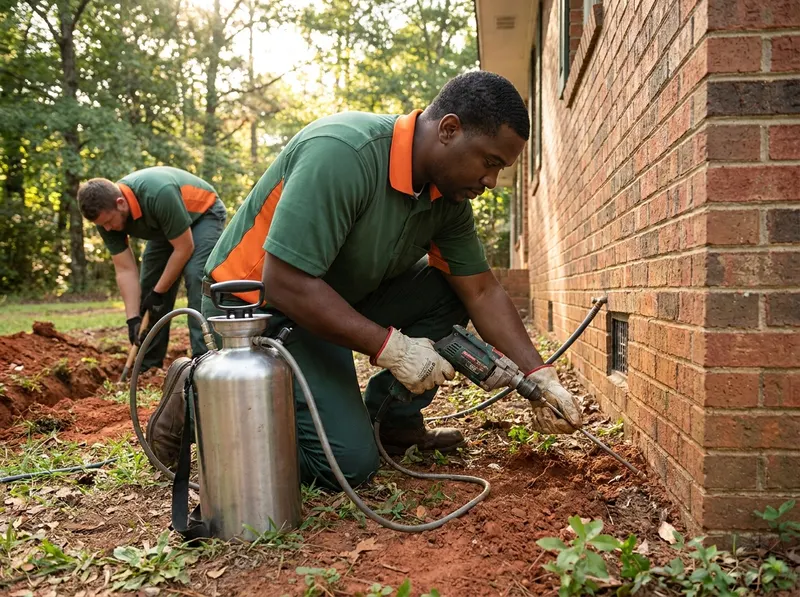
Eastern subterranean termites (Reticulitermes flavipes) cause billions in structural timber damage annually, thriving in Jackson's Yazoo clay soils and high water tables. Technicians trench foundation margins to a minimum depth of 6 inches and rod-inject non-repellent liquid termiticide at a standard rate of 4 gallons per 10 linear feet. This establishes an unbroken treated envelope around exterior walls and support piers, transferring the lethal active ingredient throughout the subterranean colony to collapse the queen and reproductive castes. Foundation expansion joints, plumbing slab penetrations, and hollow-block masonry cells receive targeted pressure injections to eliminate hidden subterranean shelter tubes. Technicians install advanced subterranean monitoring stations along the perimeter drip line at 10-foot to 15-foot intervals for ongoing structural surveillance.
Get a quote →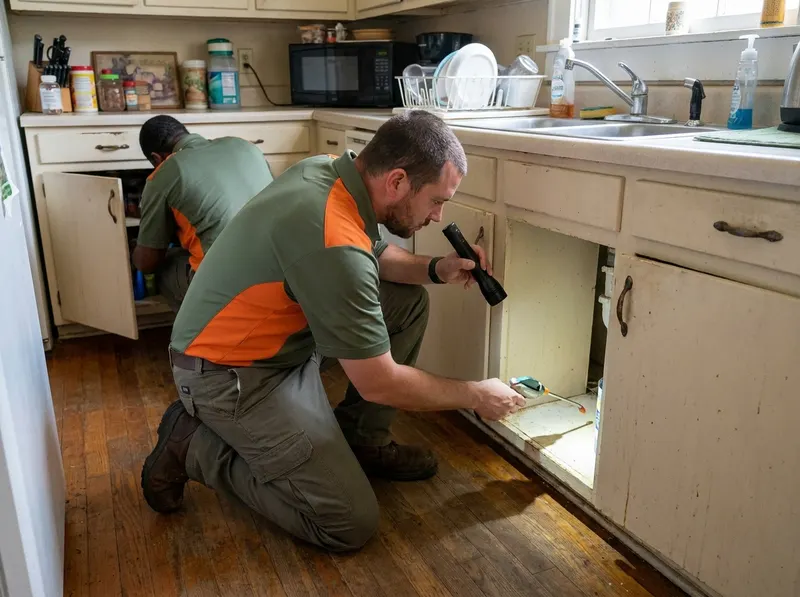
Jackson residences regularly contend with domestic German cockroaches (Blattella germanica) and peridomestic American cockroaches (Periplaneta americana), locally known as waterbugs. German roach populations require precision application of insect growth regulators (IGRs) and non-repellent gel baits placed directly within hinge gaps, cabinet underside joints, and electrical junction boxes. Exterior perimeter sweeps and crawlspace treatments intercept American roaches migrating from municipal storm lines and shaded mulch beds. Technicians perform comprehensive crack-and-crevice treatments using pressurized dry particulate formulations behind dishwashers, commercial-style ranges, and refrigeration compressor wells. Follow-up visits at 14-day intervals break the egg case (ootheca) emergence cycle, preventing recurrent reproductive generations from recolonizing cleaned pantries and food preparation surfaces.
Get a quote →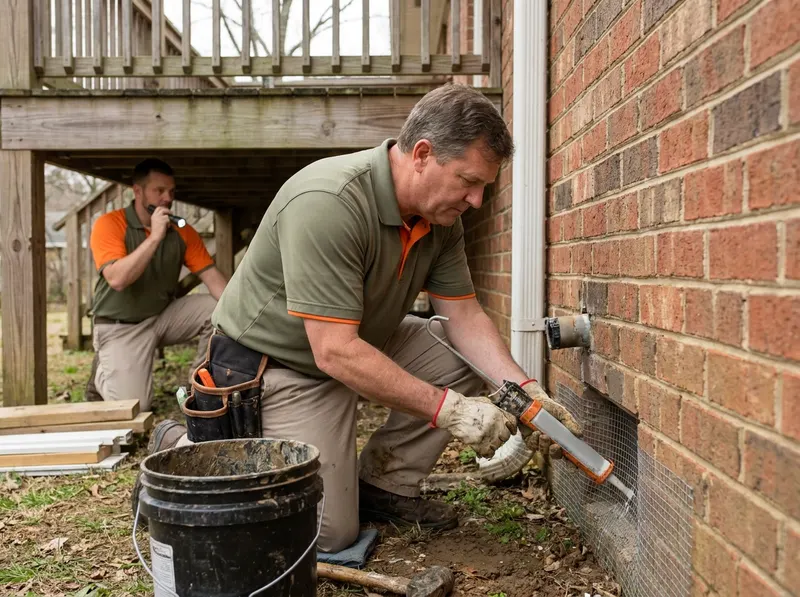
Roof rats (Rattus rattus) and house mice (Mus musculus) exploit utility entries, roof valleys, and foundation vents to nest in attic insulation, gnawing electrical cabling and creating sanitation hazards. Services involve comprehensive sealing using 0.25-inch galvanized wire mesh, copper mesh, and elastomeric foam around all pipe penetrations, weep screeds, and roof returns. Interior populations are trapped and cleared using mechanical snap arrays, preventing dead-animal odor inside interior cavities. Technicians evaluate crawlspace skirtings, soffit intersections, and attic ridge vents for sebum rub marks and gnaw traces. Exterior tamper-resistant rodent baiting stations are anchored along foundational perimeters to suppress exterior population pressure before foraging rodents can probe rooflines and crawlspaces for new structural weaknesses.
Get a quote →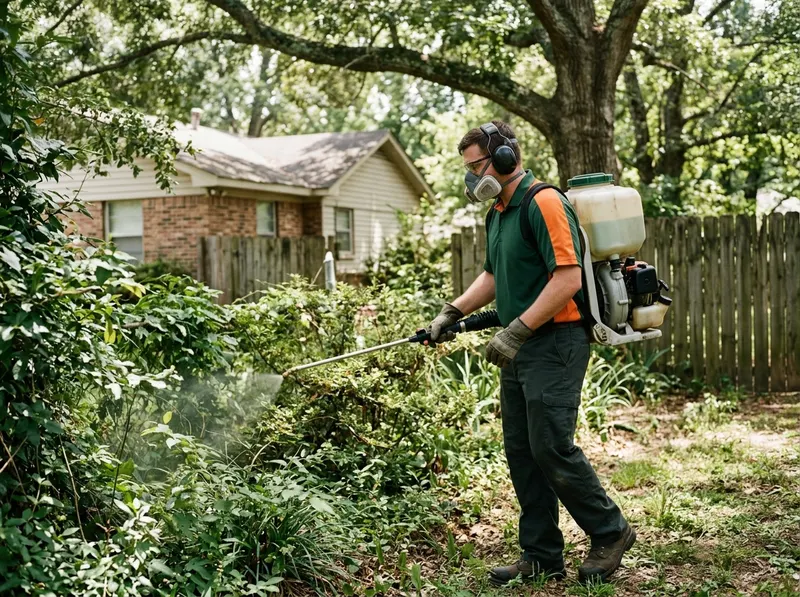
High ambient humidity and slow drainage along the Pearl River basin foster intense breeding conditions for Culex and Aedes albopictus mosquitoes from April through October. Motorized ultra-low volume (ULV) mist blowers apply micro-encapsulated adulticides and biological growth regulators to low-sunlight resting zones, including the undersides of dense foliage, shaded deck footings, and structural soffits. Monthly treatments break the 7-to-10-day reproductive cycle by sterilizing standing-water larvicide sites. Technicians treat non-draining landscape basins, decorative rockeries, and low-gradient gutter runs with solid Bacillus thuringiensis israelensis (BTI) microbial rings. This targeted larvicide disrupts aquatic mosquito larvae before pupation without harming domestic pets, beneficial pollinators, or native aquatic vegetation.
Get a quote →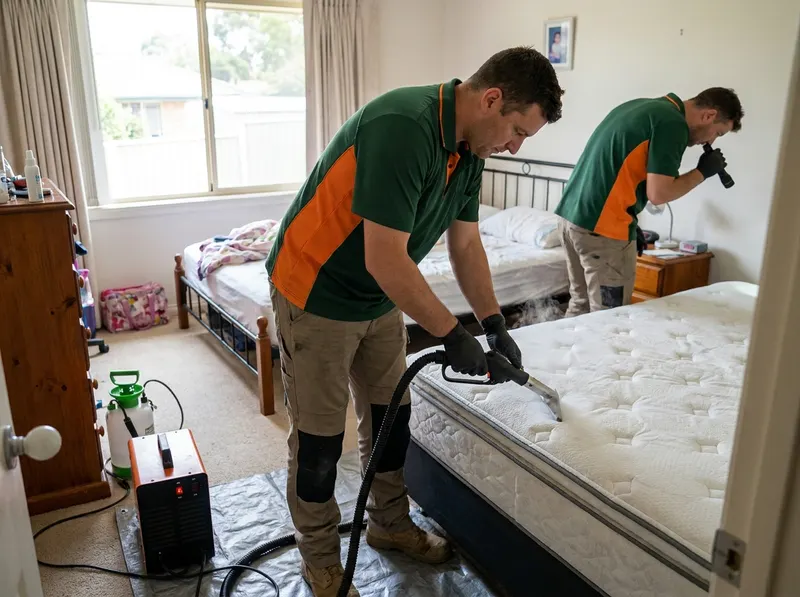
Cimex lectularius infestations spread through multi-family complexes, hospitality stays, and transit corridors, hiding inside mattress seam beadings, baseboard margins, and wall outlets. Eradication utilizes high-output structural heat equipment that elevates room core temperatures to a lethal threshold of 122°F to 135°F for a sustained 4-hour soak. Residual desiccant dusts such as amorphous silica gel are applied into electrical faceplates and framing voids to stop unhatched or migrating nymphs. High-velocity axial fans circulate heated air into interior closets, luggage linings, and deep upholstery cavities where conventional liquid sprays fail to penetrate. Post-treatment inspections deploy high-accuracy hydrocarbon sensor monitors and adhesive perimeter traps to verify complete structural eradication across all life stages.
Get a quote →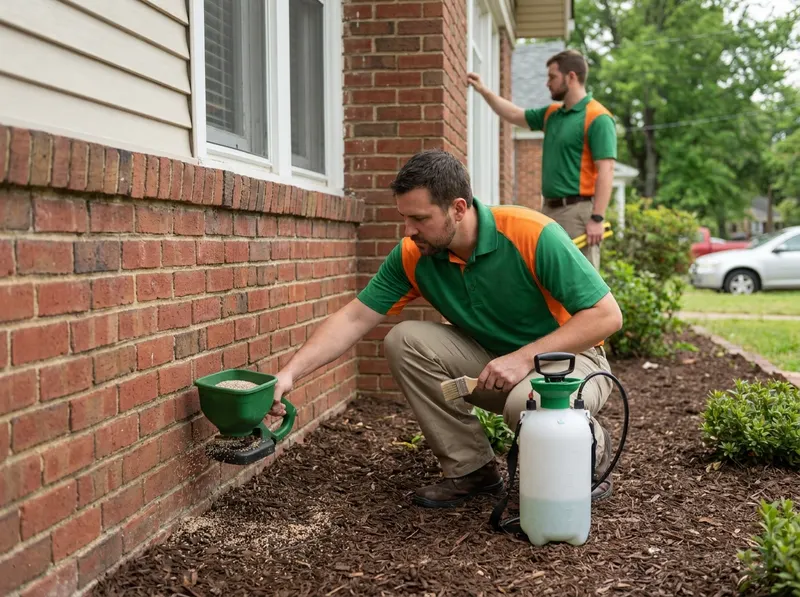
Red imported fire ants (Solenopsis invicta) and odorous house ants (Tapinoma sessile) colonize lawns, electrical enclosures, and brick veneer weep holes across central Mississippi. Eradication combines broadcast low-dose hydramethylnon baiting across turf areas with targeted non-repellent fipronil spot applications along perimeter footings. Worker ants carry the micro-doses back into the central subterranean mounds, neutralizing the egg-laying queens without triggering colony-splitting budding behaviors. Technicians identify moisture-attracted satellite colonies inside bathroom plumbing walls and window sill voids, injecting drying insecticidal dusts directly into active framing voids. Exterior weep hole vents receive fine copper mesh inserts that maintain structural ventilation while permanently denying entry to foraging ant columns.
Get a quote →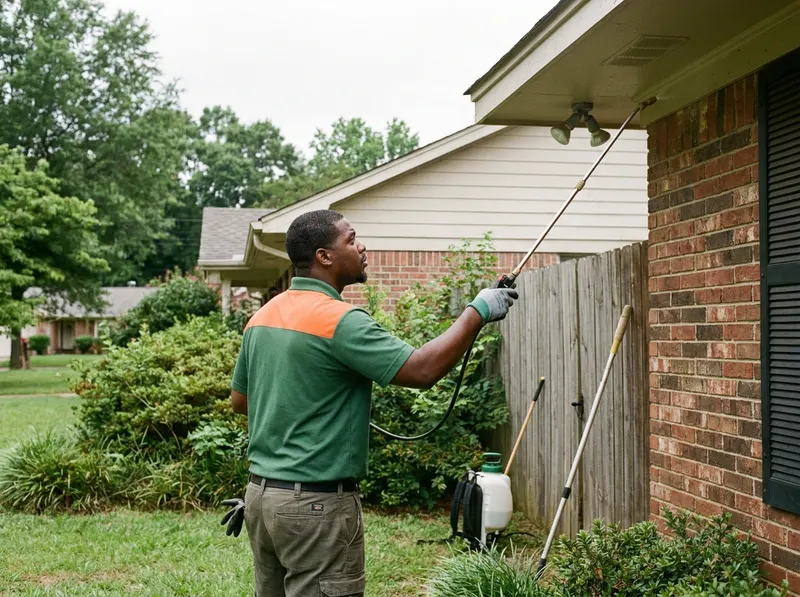
Jackson structures provide prime harborage for southern black widows (Latrodectus mactans) in crawlspaces and meter boxes, as well as brown recluses (Loxosceles reclusa) in attics and storage closets. Remediation includes mechanical de-webbing with micro-dusted brushes, residual wettable powder applications to foundation band boards, and high-tack monitoring boards positioned along baseboards. Target treatments also eliminate the primary insect food sources sustaining spider colonies. Technicians conduct focused void applications inside unconditioned storage buildings, detached garages, and crawlspace sill ledges where secluded web builders establish egg sacs. Long-residual micro-encapsulated pyrethroids create impassable contact barriers across exterior foundation perimeters and basement window framing.
Get a quote →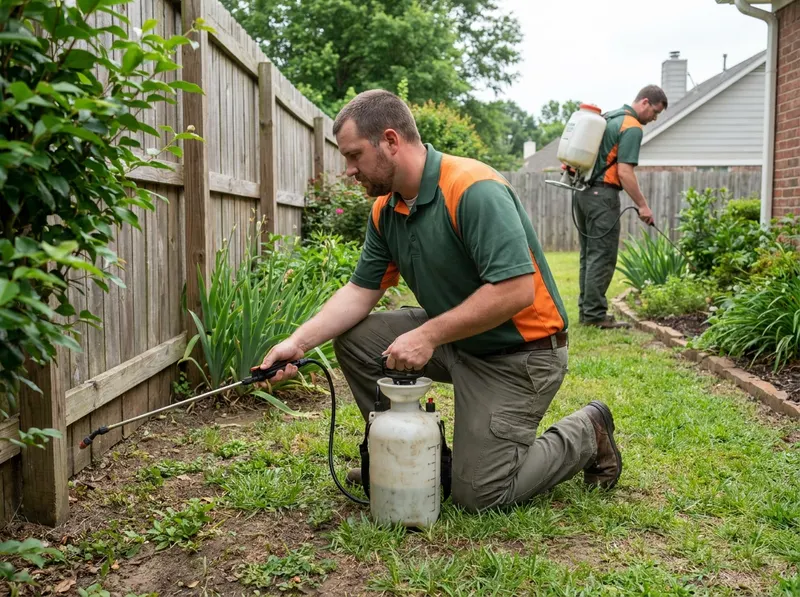
Ctenocephalides felis (cat fleas) and Rhipicephalus sanguineus (brown dog ticks) establish dense clusters in sandy yard soils, shaded crawlspaces, and interior carpet loops. Interior remediation requires broadcast application of adulticides paired with pyriproxyfen growth regulators that permanently halt larval pupation. Exterior perimeter applications treat shady resting spaces, pet runs, and foundation perimeters up to a 3-foot height to prevent outdoor hitchhiking. Technicians advise on pre-treatment protocols, including whole-house vacuuming and hot laundering of animal bedding, to draw pupae out of their protective cocoons before targeted chemical application. Outdoor micro-sprays target the base of shrubbery borders, crawlspace vent aprons, and shaded soil banks where domestic pets seek relief from summer heat.
Get a quote →You get a firm, itemized quote for your pest control services before any work begins, no surprises, no pressure.
Careful prep, tidy work, and a full cleanup when we are done. We treat your home and belongings like our own.
The same trusted, background-checked team from the first call to the final check.
Selecting appropriate intervention protocols depends on the biological profile of the target organism, the physical layout of the structure, and the surrounding environmental moisture vectors. For active subterranean termite activity or real estate closing compliance, structural soil trenching with non-repellent liquid termiticide provides a 5 to 10 year protective envelope; baiting stations provide long-term colony monitoring with lower disruption to landscape beds, though soil treatments establish faster lethal zones at vulnerable foundation piers. If you have an active infestation inside structural sill plates, choose continuous liquid termiticide soil trenching at 4 gallons per 10 linear feet; if you seek passive property-line monitoring without exterior soil disruption, choose subterranean baiting stations spaced every 10 to 15 feet around the drip line.
The trade-off is immediate structural chemical containment versus slower multi-month colony interception. For sudden indoor German cockroach infestations, targeted spot placement of fipronil or hydramethylnon gel baits combined with pyriproxyfen insect growth regulators neutralizes population clusters within plumbing walls without airborne aerosol drift; standard baseboard broad-spectrum spraying drives these roaches deeper into drywall cavities and creates insecticide resistance. If cockroaches are clustered inside kitchen cabinetry and motor housings, choose localized baiting and insect growth regulator micro-droplets; if dealing with large American cockroaches invading from crawlspaces, choose perimeter micro-encapsulated foundation barriers and crawlspace dusting.
The trade-off is precise, low-toxicity chemical containment inside living spaces versus broad-coverage exterior barriers that require seasonal renewal. When addressing rodent activity in crawlspaces or attics, multi-catch mechanical traps combined with comprehensive physical exclusion using 19-gauge galvanized steel mesh eliminate the colony without the odor risks of interior anticoagulants; exterior bait stations maintain suppressed regional rodent pressure along property lines but cannot substitute for physical building envelope sealing. If roof rats have breached attic insulation, choose interior mechanical snap trapping arrays paired with complete structural exclusion sealing; if wild field rodents are migrating across property boundaries from nearby ravines or wooded lots, choose tamper-resistant exterior bait stations anchored along perimeter fence lines.
The trade-off is total physical mechanical defense of the building envelope versus ongoing exterior suppression that does not close existing structural openings. The trade-off between exterior-only maintenance perimeters and intensive interior flush-outs centers on disruption and long-term chemical footprint: exterior micro-encapsulated treatments arrest outdoor pests before entry with minimal family disruption, whereas severe existing indoor infestations require localized void dusting, appliance pull-outs, and targeted crack-and-crevice work that temporarily displaces kitchen items for 2 to 4 hours.
Every project gets a firm, written price after a free on-site visit. Ranges below for orientation.
Tell us about your pest control services job and we'll send a clear, written quote, usually the same day. Or just call and talk to a real Jackson pro.
(601) 210-1728
Jackson's geological presence along the Pearl River flood basin and the widespread expansion-contraction cycles of Yazoo clay produce structural foundation cracks that serve as direct subterranean pest corridors. Historic pier-and-beam homes throughout Belhaven and Fondren feature damp, unsealed crawlspaces that elevate under-floor humidity above 70%, accelerating wood decay fungi and Eastern subterranean termite colonization. Meanwhile, dense oak and pine canopies flanking LeFleur's Bluff State Park and the Eudora Welty House and Garden provide continuous overhead pathways for roof rats to access unprotected roof returns and gable vents. Shifting ground along Woodrow Wilson Avenue and Interstate 55 frequently pulls plumbing lines away from concrete slab penetrations, opening 0.5-inch subsurface gaps that German cockroaches and smokybrown cockroaches exploit to reach interior kitchens. In mature residential pockets like Eastover and Broadmoor, heavy organic soil beds and mature drainage swales support dense subterranean ant colonies and seasonal mosquito breeding pools that standard surface applications cannot suppress without deep root-zone drenches.
Free estimates for Jackson & the surrounding area.
 Darmex Pest Specialists